 Livia Scott
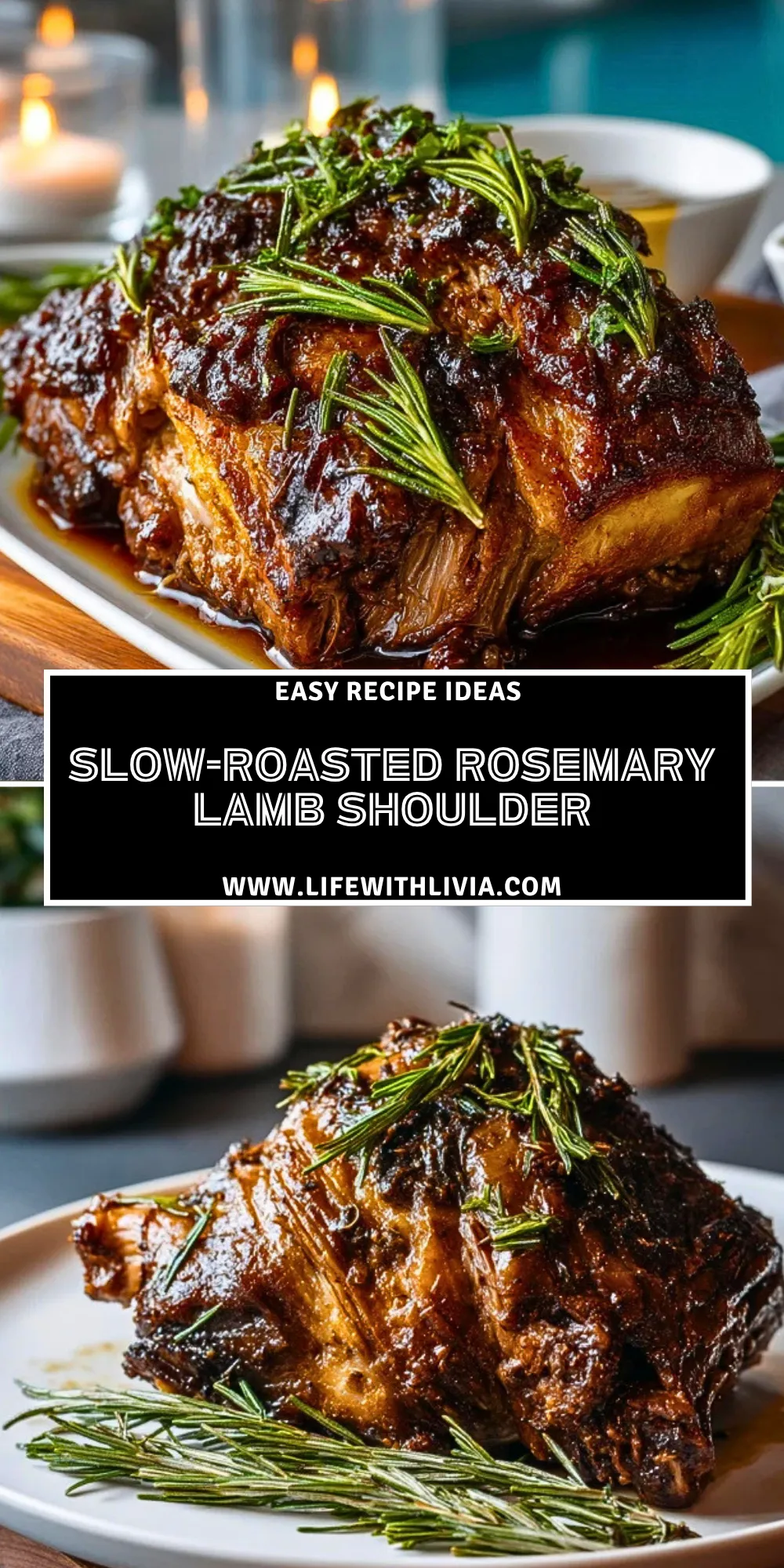
Slow-Roasted Rosemary Lamb Shoulder is the kind of centerpiece that makes the whole kitchen feel warm before dinner even hits the table. The lamb cooks low and slow until it turns deeply browned on the outside, tender inside, and rich with rosemary, garlic, olive oil, and pan juices that taste like they took all day to build.
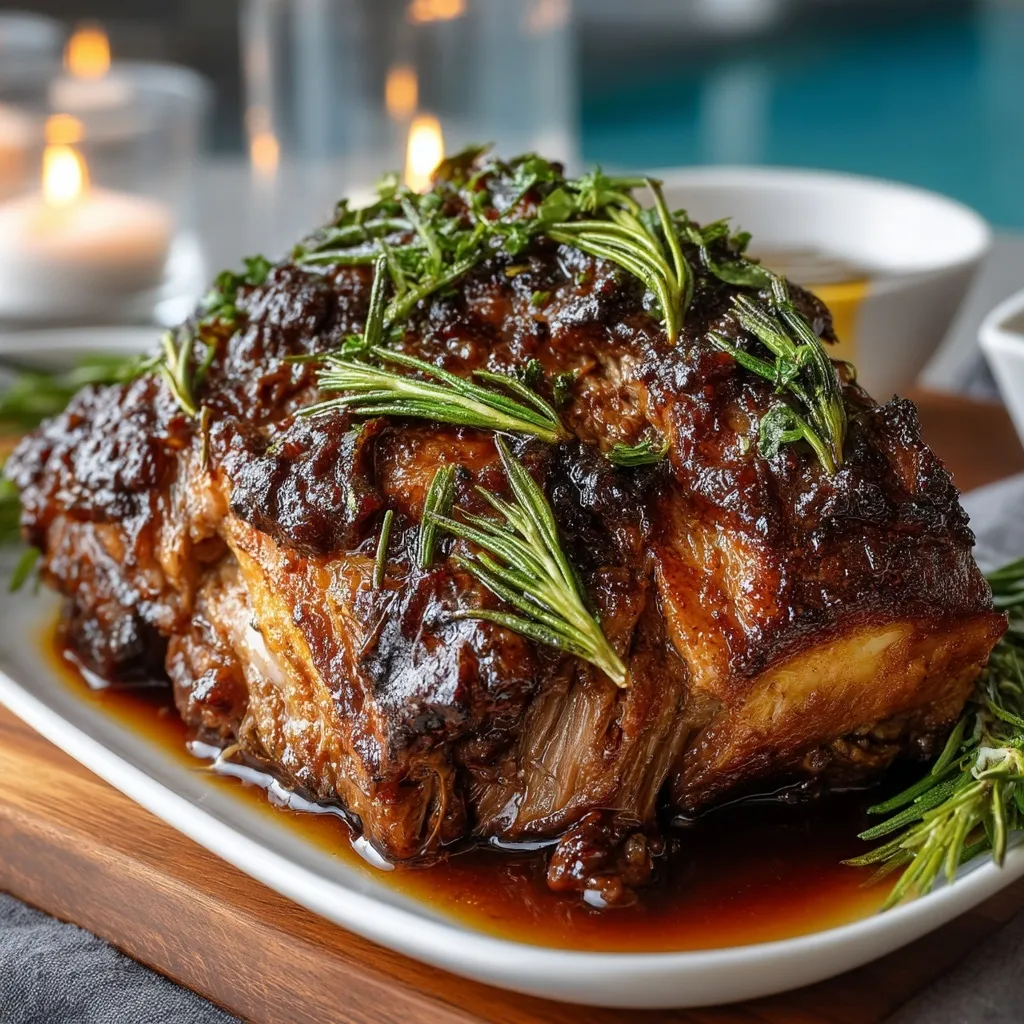
This dish is perfect for Sunday dinner, holidays, Easter, cozy family gatherings, or any time you want a hearty main course that feels special without needing fussy technique. The slow roasting does most of the work, giving you soft, pull-apart lamb with a glossy herb sauce that begs for potatoes, bread, or vegetables on the side.
Why You’ll Love This Slow-Roasted Rosemary Lamb Shoulder
This Slow-Roasted Rosemary Lamb Shoulder delivers big flavor with simple ingredients. Rosemary and garlic perfume the meat as it roasts, while the natural fat in the shoulder keeps everything moist and juicy.
You’ll also love how forgiving this cut is. Lamb shoulder is made for long cooking, so it becomes more tender as it slowly roasts. Instead of worrying about perfect timing like you would with a quick-cooked chop, you can let the oven gently work its magic until the meat loosens from the bone.
It also makes a beautiful presentation. A whole lamb shoulder on a platter, spooned with savory juices and scattered with fresh herbs, looks impressive enough for guests but still feels rustic and comforting.
What Makes Lamb Shoulder Best for Slow Roasting?
Lamb shoulder has a generous amount of connective tissue and marbling, which makes it ideal for slow roasting. As it cooks gently, those tougher parts break down and become silky, giving the meat a tender, almost spoonable texture.
Compared with leaner lamb cuts, shoulder has a deeper, richer flavor. It pairs naturally with sturdy herbs like rosemary, thyme, oregano, and bay leaf, and it holds up beautifully to garlic, lemon, balsamic vinegar, mustard, or a splash of stock in the roasting pan.
Ingredients
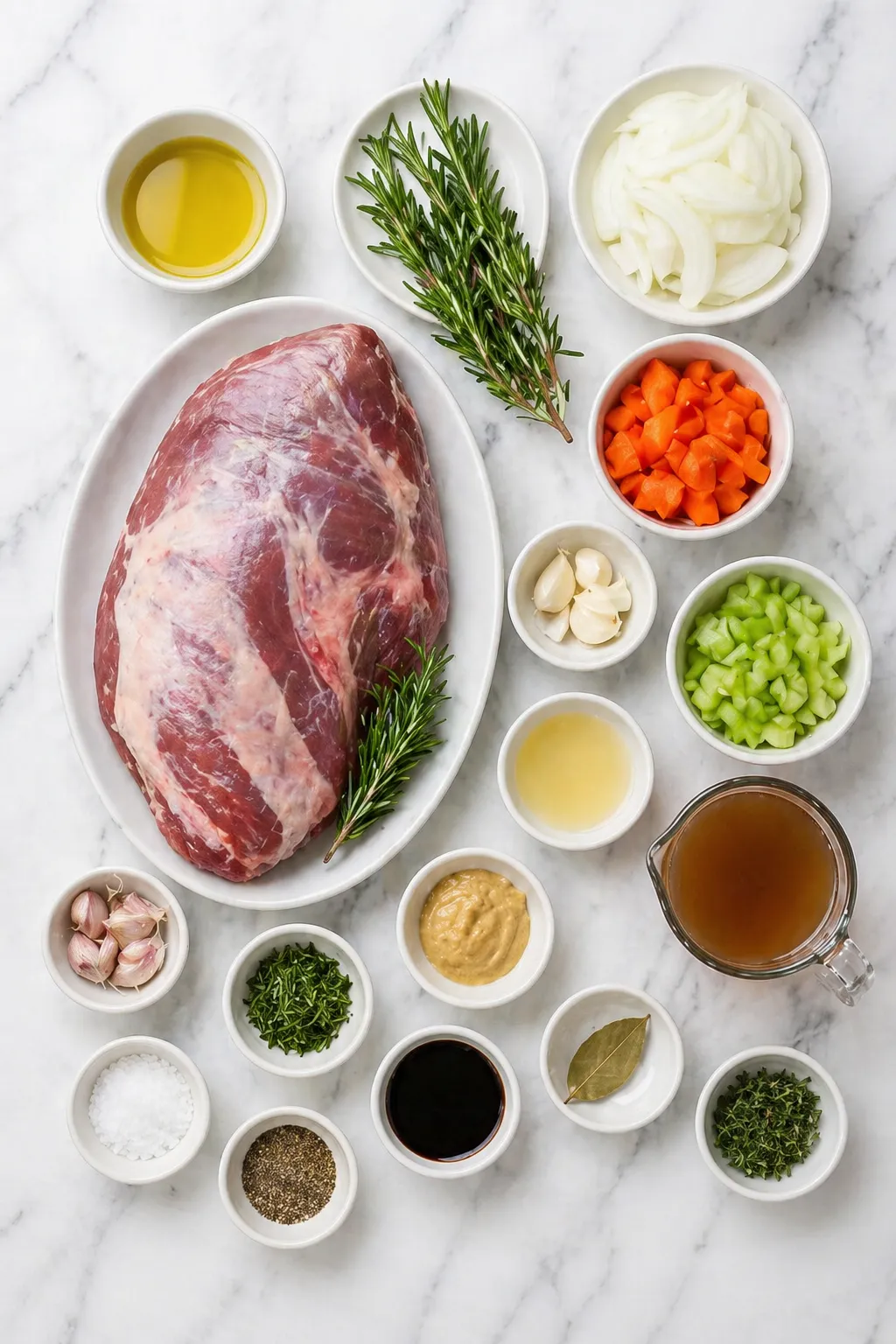
These ingredients work together to create a tender, savory roast with a fragrant herb crust and rich pan juices. The exact measurements are saved for the printable recipe card, but this overview helps you understand why each ingredient matters.
- Lamb shoulder — Use bone-in lamb shoulder for the richest flavor and juiciest texture; boneless can work too, but bone-in roasts beautifully.
- Fresh rosemary — Adds the signature piney, woodsy aroma that makes this lamb feel classic and elegant.
- Garlic — Infuses the meat and pan juices with deep savory flavor.
- Olive oil — Helps the seasoning cling to the lamb and encourages a glossy, browned exterior.
- Kosher salt — Seasons the meat thoroughly and helps bring out its natural richness.
- Black pepper — Adds gentle heat and balances the richness of the lamb.
- Lemon juice — Brightens the finished dish and cuts through the fattiness of the shoulder.
- Dijon mustard — Adds tang and helps create a flavorful paste for the herb coating.
- Onion — Roasts underneath the lamb, adding sweetness and body to the pan juices.
- Carrots — Add sweetness and a sturdy base for the roast.
- Celery — Brings savory depth to the roasting pan.
- Chicken or beef stock — Keeps the roasting environment moist and creates a flavorful sauce base.
- Balsamic vinegar — Adds gentle sweetness and acidity to deepen the glaze-like pan juices.
- Fresh thyme — Supports the rosemary with an earthy herb note.
- Bay leaf — Adds subtle savory background flavor during the slow roast.
How To Make the Slow-Roasted Rosemary Lamb Shoulder
The secret to this dish is patience. Start with a well-seasoned lamb shoulder, give it time in a low oven, and let the meat rest before serving so every slice or shred stays juicy.
Step 1: Prepare the Lamb
Pat the lamb shoulder very dry with paper towels. This helps the seasoning stick and encourages better browning. If there is a thick cap of fat, trim only the excess, leaving enough to protect and baste the meat as it cooks.
Use a sharp knife to make small slits across the surface of the lamb. Tuck thin slices of garlic and small rosemary sprigs into some of the cuts so the flavor moves deeper into the meat.
Step 2: Make the Rosemary Garlic Rub
In a small bowl, combine olive oil, chopped rosemary, minced garlic, Dijon mustard, lemon juice, kosher salt, black pepper, and thyme. Stir until it forms a loose paste.
Rub this mixture all over the lamb shoulder, making sure to coat the top, sides, and any natural folds in the meat. For the best flavor, let the lamb sit with the rub for at least a short rest before roasting, or refrigerate it overnight and bring it closer to room temperature before cooking.
Step 3: Build the Roasting Base
Scatter onion, carrots, celery, extra rosemary, thyme, and bay leaf into the bottom of a roasting pan or Dutch oven. This vegetable base keeps the lamb slightly lifted and flavors the juices as the roast cooks.
Pour stock and balsamic vinegar around the vegetables, not directly over the top of the lamb. You want moisture in the pan while keeping the seasoned surface intact.
Step 4: Start Covered and Slow
Place the lamb shoulder on top of the vegetables, fat side up. Cover the pan tightly with foil or a lid and roast at a low temperature until the meat begins to soften and the kitchen smells deeply savory.
This covered stage traps steam and gently breaks down the lamb shoulder. It is what turns a tough cut into tender, juicy meat.
Step 5: Uncover and Brown
Once the lamb is very tender, remove the foil or lid. Spoon some of the pan juices over the top and return it to the oven uncovered.
Let the surface brown until it becomes glossy, dark in spots, and slightly crisp around the edges. If the pan looks dry, add a little more stock so the juices do not scorch.
Step 6: Rest and Serve
Transfer the lamb to a serving platter and let it rest before carving or pulling apart. Skim excess fat from the pan juices, then spoon the sauce over the meat.
Serve with the softened roasted vegetables or strain the juices for a smoother sauce. Finish with extra rosemary, lemon zest, or a sprinkle of flaky salt if you like a brighter final bite.
How To Serve Slow-Roasted Rosemary Lamb Shoulder
This lamb shoulder feeds about 6 to 8 people, depending on the size of the roast and how many sides you serve. For a holiday meal with several sides, it can stretch comfortably. For a meat-centered dinner, plan for closer to 6 generous portions.
Mashed potatoes, roasted potatoes, garlic butter green beans, glazed carrots, crusty bread, rice pilaf, or a crisp salad all work well with the rich rosemary pan juices. Creamy sides are especially good because they soak up the sauce and balance the savory lamb.
For a Mediterranean-style plate, serve the lamb with lemony roasted potatoes, cucumber tomato salad, warm pita, and a yogurt sauce with garlic and herbs. For a cozy Sunday dinner, pair it with mashed potatoes, roasted carrots, and a simple pan gravy.
How To Store Slow-Roasted Rosemary Lamb Shoulder
Let leftover lamb cool before storing, but do not leave it sitting out for too long. Remove the meat from the bone if needed, then place it in an airtight container with a few spoonfuls of pan juices to keep it moist.
Refrigerate leftovers for up to 3 to 4 days. The flavor often gets even better after a night in the fridge because the rosemary, garlic, and juices settle into the meat.
To freeze, portion the lamb into freezer-safe containers or bags with some sauce. Freeze for up to 2 to 3 months. Thaw overnight in the refrigerator before reheating.
For reheating, use a covered skillet over low heat with a splash of stock or water, or warm it in a covered baking dish in the oven. Avoid high heat, which can dry out the meat. Leftover lamb is wonderful in sandwiches, grain bowls, shepherd’s pie, wraps, tacos, pasta, or served over creamy mashed potatoes.
Frequently Asked Questions
Can I use boneless lamb shoulder instead of bone-in?
Yes, boneless lamb shoulder works well, but bone-in lamb usually gives the deepest flavor and a more dramatic presentation. If using boneless, tie it with kitchen twine if it is uneven so it cooks more evenly and stays compact while roasting.
Do I need to marinate the lamb overnight?
Overnight marinating adds more flavor, but it is not required. Even a shorter rest with the rosemary garlic rub will season the surface nicely. If you have time, refrigerate the rubbed lamb overnight, then let it sit at room temperature for a bit before roasting so it cooks more evenly.
How do I know when lamb shoulder is done?
Lamb shoulder is done when it is very tender and pulls apart easily with a fork. Unlike a lean roast that is cooked only to a specific doneness, shoulder needs enough time for the connective tissue to soften. If it still feels tight or tough, keep roasting it covered and check again later.
Can I make this Slow-Roasted Rosemary Lamb Shoulder ahead of time?
Yes. You can roast it a day ahead, cool it in its juices, and refrigerate it. The next day, skim off any solidified fat, cover the pan, and reheat gently until hot. This is a great method for holidays because the flavor deepens and the serving day becomes easier.
What can I do with leftover roasted lamb?
Leftover lamb is incredibly versatile. Shred it into warm flatbreads with yogurt sauce, fold it into pasta with garlic and olive oil, tuck it into grilled cheese, add it to vegetable soup, or serve it over rice with the reheated pan juices. Keep the meat moist by reheating it with a little stock or sauce.
Want More Slow-Roasted Dinner Ideas?
If you love this rosemary lamb shoulder, you’ll probably enjoy these cozy mains and sides from Life With Livia too:
- Slow Braised Beef Roast with Cranberry Balsamic Glaze for another tender roast with deep, glossy flavor.
- Old Fashioned Beef Stew when you want a comforting slow-cooked dinner in a bowl.
- Garlic Potato Gratin as a creamy, garlicky side for roast lamb.
- Rustic Garlic Rosemary Skillet Bread to soak up every spoonful of rosemary pan juices.
Save This Pin For Later
📌 Save this Slow-Roasted Rosemary Lamb Shoulder to your Pinterest dinner board so you can come back to it for holidays, Sunday supper, or any cozy family meal.
For more daily recipes and dinner inspiration, follow Life With Livia.
And let me know in the comments how yours turned out. Did you serve it with potatoes, bread, or a bright salad? Did you add extra garlic or keep the rosemary front and center?
I love hearing how others make these recipes their own. Questions are welcome too—let’s help each other cook with confidence.
Print Slow-Roasted Rosemary Lamb Shoulder
- Total Time: 4 hours 50 minutes
- Yield: 6 to 8 servings
- Diet: Gluten Free
Description
Slow-Roasted Rosemary Lamb Shoulder is a tender, juicy, flavor-packed dinner idea made with garlic, fresh rosemary, olive oil, lemon, and savory pan juices. This easy recipe is perfect for a holiday main dish, cozy family dinner, Sunday supper, special occasion meal, or comforting dinner ideas when you want slow-roasted meat that feels impressive but stays simple.
Ingredients
4 to 5 pounds bone-in lamb shoulder
3 tablespoons olive oil
6 cloves garlic, minced
4 garlic cloves, sliced
3 tablespoons fresh rosemary, chopped
4 rosemary sprigs
1 tablespoon fresh thyme leaves
2 teaspoons kosher salt
1 teaspoon black pepper
1 tablespoon Dijon mustard
2 tablespoons lemon juice
1 large onion, sliced
2 carrots, chopped
2 celery stalks, chopped
1 cup chicken stock or beef stock
2 tablespoons balsamic vinegar
1 bay leaf
Instructions
1. Pat the lamb shoulder dry with paper towels and trim only any heavy excess fat.
2. Make small slits in the lamb, then tuck sliced garlic and small rosemary pieces into the cuts.
3. Mix olive oil, minced garlic, chopped rosemary, thyme, salt, pepper, Dijon mustard, and lemon juice into a paste.
4. Rub the rosemary garlic paste all over the lamb shoulder.
5. Add onion, carrots, celery, rosemary sprigs, and bay leaf to a roasting pan or Dutch oven.
6. Pour the stock and balsamic vinegar around the vegetables.
7. Place the lamb shoulder on top, fat side up, then cover tightly with foil or a lid.
8. Roast at 300°F for 3 1/2 to 4 hours, until the lamb is very tender.
9. Uncover, spoon pan juices over the lamb, and roast for another 25 to 35 minutes until browned and glossy.
10. Rest the lamb for 15 to 20 minutes, then carve or pull apart and serve with pan juices.
Notes
Do not rush the cooking time. Lamb shoulder needs low, slow heat to become tender, so if it does not pull apart easily, cover it again and keep roasting until the meat softens.
- Prep Time: 20 minutes
- Cook Time: 4 hours 30 minutes
- Category: Dinner
- Method: Slow Roasting
- Cuisine: Mediterranean-inspired
Nutrition
- Serving Size: 1 serving
- Calories: 565
- Sugar: 2 g
- Sodium: 720 mg
- Fat: 38 g
- Saturated Fat: 14 g
- Unsaturated Fat: 21 g
- Trans Fat: 0 g
- Carbohydrates: 7 g
- Fiber: 1 g
- Protein: 46 g
- Cholesterol: 145 mg
Keywords: slow roasted rosemary lamb shoulder, lamb shoulder recipe, easy dinner, holiday main dish, Sunday dinner, roasted lamb, dinner ideas