 Livia Scott
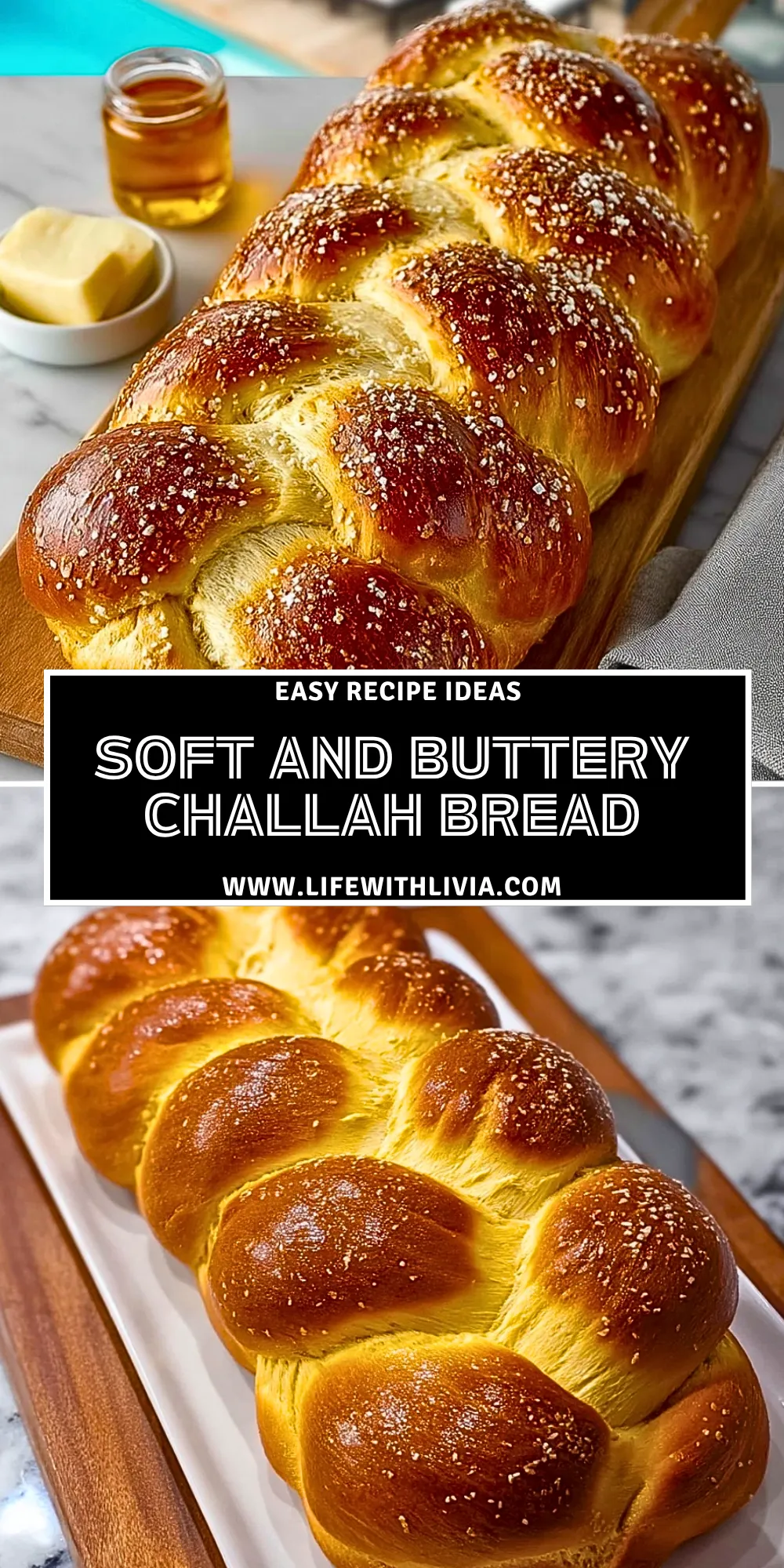
Soft And Buttery Challah Bread brings that bakery-style golden shine, tender pull-apart crumb, and rich homemade aroma right into your kitchen. This braided loaf looks impressive on the table, but the dough is comforting and approachable once you understand the rhythm: mix, knead, rise, braid, rise again, and bake until beautifully bronzed.
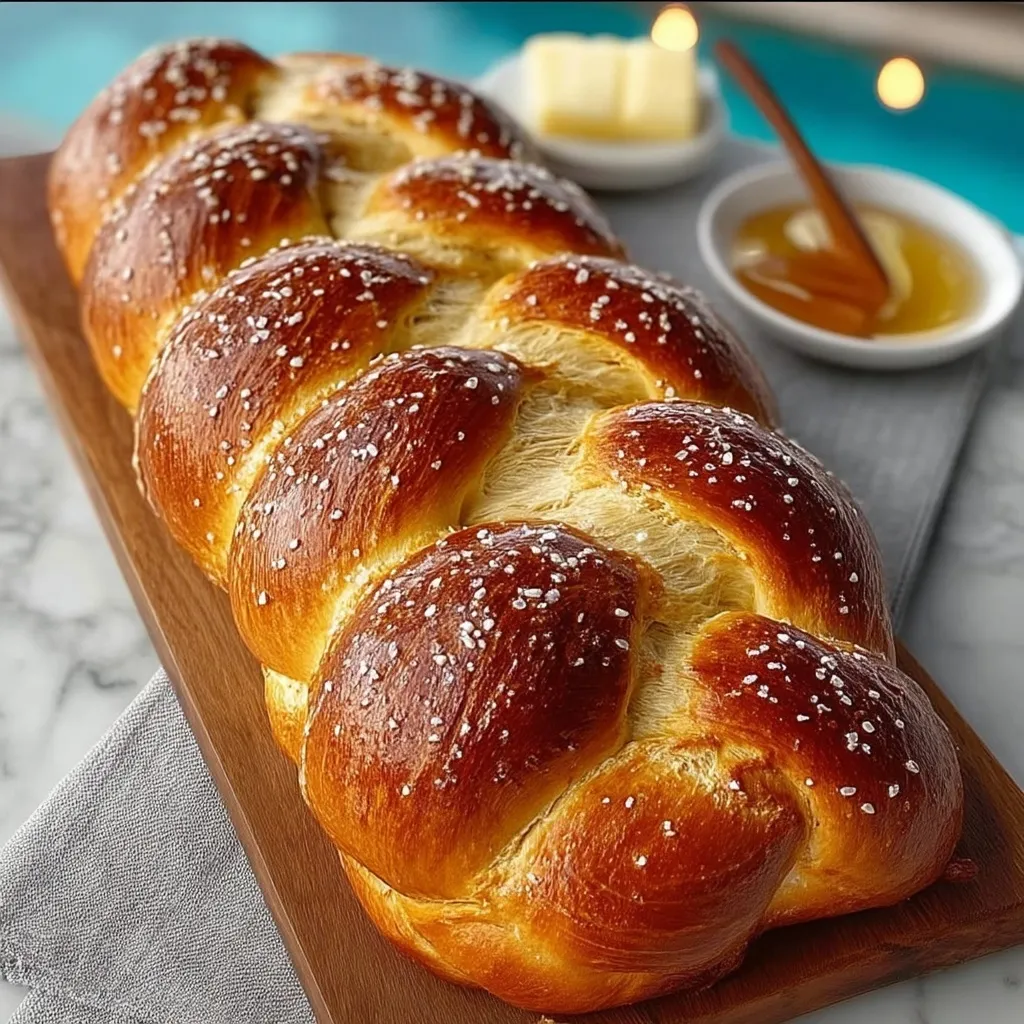
The texture is what makes this bread memorable. It is soft enough for breakfast toast, sturdy enough for sandwiches, and slightly sweet in a way that pairs beautifully with butter, honey, jam, or savory spreads. Whether you are baking for a holiday meal, a weekend brunch, or a cozy family dinner, this challah has the kind of warmth that makes people reach for a second slice.
Why You’ll Love This Soft And Buttery Challah Bread
This loaf has a rich, tender crumb thanks to eggs, oil, and a little sweetness in the dough. The outside bakes into a deep golden crust, while the inside stays fluffy, soft, and lightly chewy. It is a lovely bread for anyone who enjoys homemade baking but wants something more special than a basic sandwich loaf.
You will also love how versatile it is. Serve it warm with salted butter, slice it for French toast the next morning, tuck it beside soup, or use leftovers for bread pudding. The braid gives the loaf a celebratory look without needing complicated decorating skills, and the egg wash helps create that glossy bakery finish.
What Makes Challah Bread So Soft and Buttery?
Challah gets its signature softness from an enriched dough, meaning the dough includes ingredients like eggs, fat, and sugar instead of just flour, water, yeast, and salt. Eggs help build structure while making the crumb tender, oil keeps the bread moist, and sugar feeds the yeast while adding gentle sweetness.
The buttery flavor can come from serving it with butter or brushing the warm loaf lightly after baking, though traditional challah often uses oil in the dough. For the best texture, knead until the dough feels smooth and elastic, then give it enough time to rise until puffy. Rushing the rise can lead to a dense loaf, while proper proofing creates that soft, airy pull when you tear into a slice.
Ingredients
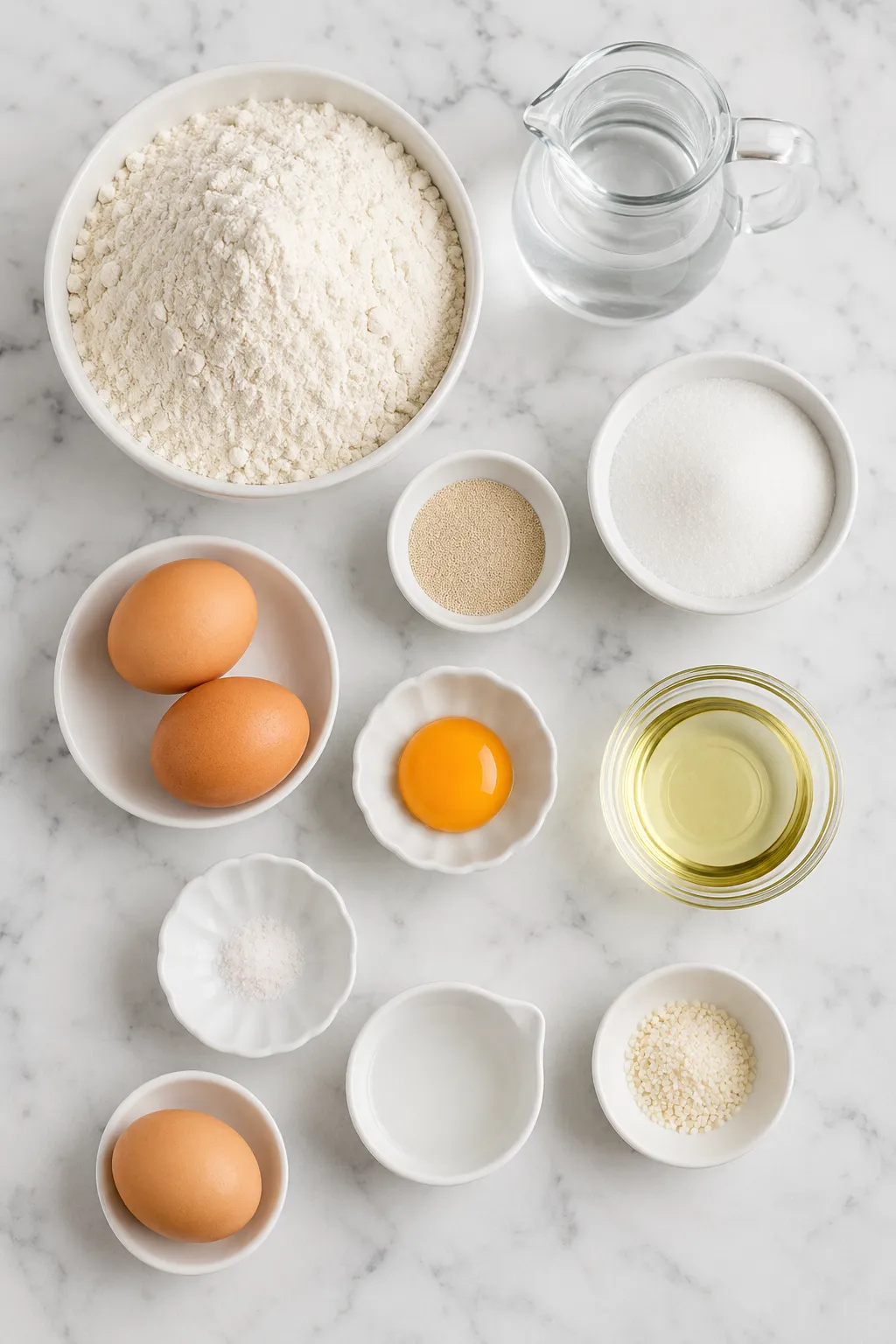
These ingredients work together to create a soft, golden, beautifully braided loaf. Use fresh yeast, room-temperature eggs, and good flour so the dough rises well and bakes with a tender crumb.
- All-purpose flour or bread flour: Builds the structure of the dough; bread flour gives a slightly chewier bakery-style texture, while all-purpose flour keeps it soft and accessible.
- Active dry yeast or instant yeast: Helps the dough rise and creates a light, fluffy loaf.
- Warm water: Activates the yeast and hydrates the flour so the dough can come together smoothly.
- Granulated sugar: Adds gentle sweetness and helps feed the yeast for a strong rise.
- Eggs: Enrich the dough, deepen the color, and create a tender crumb.
- Egg yolk: Adds extra richness and helps give the bread a softer, more luxurious texture.
- Neutral oil: Keeps the bread moist and tender without overpowering the flavor.
- Fine salt: Balances the sweetness and strengthens the overall flavor of the loaf.
- Egg wash: Gives the braided challah its glossy, deep golden finish.
- Coarse salt or sesame seeds: Adds a pretty finish and a little texture on top, depending on the style you prefer.
How To Make the Soft And Buttery Challah Bread
Making challah is all about building a smooth dough, giving it time to rise, and shaping it with care. The process is simple when broken into steps, and each rise makes the final loaf softer and more flavorful.
Step 1: Activate the Yeast
Stir the yeast into warm water with a little sugar and let it sit until foamy. This tells you the yeast is alive and ready to work. If the mixture does not foam, start again with fresh yeast so the bread rises properly.
Step 2: Mix the Enriched Dough
In a large bowl or stand mixer, combine flour, sugar, salt, eggs, egg yolk, oil, and the yeast mixture. Mix until a shaggy dough forms. The dough should feel slightly tacky but not soupy; add flour gradually only if it is too sticky to handle.
Step 3: Knead Until Smooth
Knead the dough until it becomes soft, elastic, and smooth. In a stand mixer, this usually takes several minutes with a dough hook. By hand, use steady folding and pushing motions. A well-kneaded dough should spring back slightly when pressed.
Step 4: Let the Dough Rise
Place the dough in a lightly oiled bowl, cover it, and let it rise in a warm spot until doubled. This first rise develops flavor and gives the bread its fluffy texture. Avoid placing the dough somewhere too hot, which can make it rise too quickly and weaken the structure.
Step 5: Divide and Shape the Strands
Turn the dough onto a lightly floured surface and divide it into equal pieces. Roll each piece into a long rope, keeping the thickness as even as possible. Even strands help the braid bake evenly and look polished.
Step 6: Braid the Challah
Pinch the strands together at one end, then braid them gently without pulling too tightly. A loose, even braid gives the loaf room to expand during the second rise and in the oven. Tuck the ends underneath for a neat finish.
Step 7: Proof the Braided Loaf
Transfer the braid to a parchment-lined baking sheet, cover it lightly, and let it rise again until puffy. This second rise is important for a soft interior. The loaf should look fuller and feel slightly airy when gently touched.
Step 8: Brush and Bake
Brush the loaf generously with egg wash, making sure to reach the curves of the braid. Sprinkle with coarse salt or sesame seeds if desired. Bake until deeply golden and the loaf sounds hollow when tapped on the bottom.
Step 9: Cool Before Slicing
Let the challah cool on a wire rack before cutting. Slicing too soon can make the crumb gummy, even if the bread is fully baked. Once cooled slightly, it will slice cleanly while staying soft and tender.
How To Serve Soft And Buttery Challah Bread
This recipe makes one large braided loaf and feeds about 10 to 12 people, depending on how thickly you slice it. For a dinner table, cut it into generous slices and serve with softened butter, honey, or a small bowl of olive oil. For brunch, it is wonderful with fruit, eggs, smoked salmon, cream cheese, or a simple spread of jam.
Soft And Buttery Challah Bread also makes incredible French toast because the enriched crumb soaks up custard without falling apart. Day-old slices are ideal for breakfast casseroles, grilled cheese, bread pudding, or thick toast with cinnamon sugar. If you are serving it for a holiday or gathering, place the whole braid on a wooden board and slice it at the table for a warm, rustic presentation.
How To Store Soft And Buttery Challah Bread
Keep the cooled loaf tightly wrapped at room temperature for up to 3 days. A bread bag, airtight container, or plastic wrap works well. Avoid refrigerating challah, because the cold air can dry out the crumb and make the bread stale faster.
For longer storage, freeze the loaf or individual slices. Wrap the bread tightly in plastic wrap, then place it in a freezer-safe bag. It can be frozen for up to 2 months. Thaw at room temperature, then refresh slices in a toaster or warm the whole loaf loosely wrapped in foil until soft again.
If the bread starts to dry out, do not throw it away. Slightly stale challah is perfect for French toast, croutons, stuffing, bread pudding, or breakfast bake. The rich crumb holds flavor beautifully, even after a day or two.
Frequently Asked Questions
Can I make challah dough ahead of time?
Yes, challah dough can be made ahead and refrigerated after the first rise or during a slow overnight rise. Cover the dough tightly so it does not dry out. The next day, let it sit at room temperature until easier to shape, then braid, proof, and bake. A slow rise can deepen the flavor and make your baking schedule easier.
Why is my challah bread dense instead of fluffy?
Dense challah usually comes from under-proofing, too much flour, old yeast, or not enough kneading. The dough should be soft and slightly tacky, not stiff. Give it enough time to double during the first rise and become puffy after shaping. If your kitchen is cool, the rise may take longer than expected.
Can I use bread flour instead of all-purpose flour?
Yes, bread flour works well and gives the loaf a slightly stronger chew. All-purpose flour makes a softer, more delicate loaf, while bread flour creates a little more structure. Either option can produce a beautiful challah as long as the dough is kneaded until smooth and allowed to rise properly.
How do I know when challah is fully baked?
The loaf should be deeply golden on top and sound hollow when tapped on the bottom. If you use a thermometer, the center should read about 190°F. If the top browns too quickly before the center is done, tent it loosely with foil and continue baking.
Can I make this challah sweeter?
Yes, you can increase the sweetness slightly or add a touch of honey for a warmer flavor. Keep in mind that too much sugar can slow yeast activity and darken the crust faster. For a dessert-style challah, you can also add cinnamon sugar, raisins, or a light honey glaze after baking.
Want More Bread and Brunch Ideas?
If this Soft And Buttery Challah Bread made your kitchen smell amazing, you may enjoy these other cozy bakes and breakfast favorites:
- Rustic Garlic Rosemary Skillet Bread for a savory loaf with herby flavor.
- Homemade Dinner Rolls when you want soft, pull-apart bread for the table.
- German Christmas Stollen for a traditional holiday bread with rich flavor.
- Apple Cinnamon French Toast Casserole if you are turning leftover challah into a sweet brunch dish.
Save This Pin For Later
📌 Save this Soft And Buttery Challah Bread to your Pinterest bread or brunch board so you can find it the next time you want a golden homemade loaf.
Share how your braid turned out in the comments. Did you sprinkle the top with coarse salt, sesame seeds, or leave it glossy and plain? Did you turn the leftovers into French toast the next morning?
I love seeing how home bakers make each loaf their own. For more daily recipes and cozy food ideas, follow Life With Livia.
Print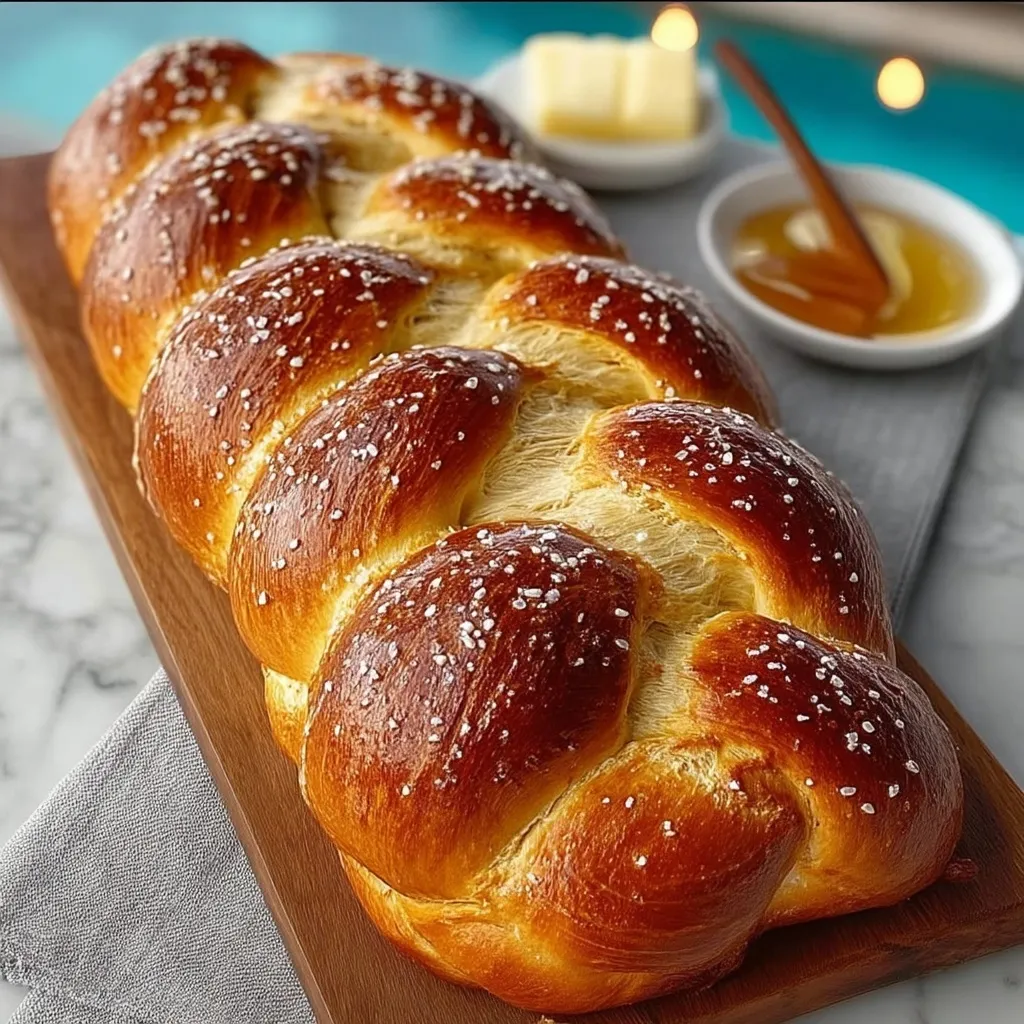
Soft And Buttery Challah Bread
- Total Time: 3 hours
- Yield: 1 large loaf, about 10 to 12 slices
- Diet: Vegetarian
Description
This Soft And Buttery Challah Bread is a golden, fluffy homemade bread with a tender pull-apart crumb, rich flavor, and a glossy braided crust that looks beautiful on any table. It is perfect for breakfast ideas, brunch recipes, holiday bread, easy baking projects, dinner ideas, French toast, cozy food ideas, and anyone looking for an easy recipe that feels special but still approachable.
Ingredients
1 cup warm water
2 1/4 teaspoons active dry yeast
1/4 cup granulated sugar
4 cups all-purpose flour
2 large eggs
1 large egg yolk
1/4 cup neutral oil
1 1/2 teaspoons fine salt
1 large egg for egg wash
1 tablespoon water for egg wash
1 tablespoon coarse salt or sesame seeds for topping
Instructions
1. Stir the warm water, yeast, and a small spoonful of the sugar together in a large bowl. Let it sit for 5 to 10 minutes, until foamy.
2. Add the flour, remaining sugar, eggs, egg yolk, oil, and salt. Mix until a shaggy dough forms.
3. Knead the dough for 8 to 10 minutes, until smooth, elastic, and slightly tacky.
4. Place the dough in a lightly oiled bowl, cover, and let it rise for 1 1/2 to 2 hours, or until doubled.
5. Turn the dough onto a lightly floured surface and divide it into 3 equal pieces.
6. Roll each piece into a long rope, then braid the ropes together and tuck the ends underneath.
7. Place the braid on a parchment-lined baking sheet, cover lightly, and let it rise for 45 to 60 minutes, until puffy.
8. Whisk the egg with water and brush it generously over the loaf. Sprinkle with coarse salt or sesame seeds if desired.
9. Bake at 350°F for 28 to 35 minutes, until deeply golden and baked through.
10. Cool on a wire rack before slicing so the crumb stays soft and clean.
Notes
Do not add too much flour while kneading. The dough should feel soft and slightly tacky, not dry or stiff, because extra flour can make the challah dense instead of fluffy.
- Prep Time: 25 minutes
- Cook Time: 35 minutes
- Category: Bread
- Method: Baking
- Cuisine: Jewish-inspired / American home baking
Nutrition
- Serving Size: 1 slice
- Calories: 245
- Sugar: 5g
- Sodium: 335mg
- Fat: 7g
- Saturated Fat: 1g
- Unsaturated Fat: 6g
- Trans Fat: 0g
- Carbohydrates: 38g
- Fiber: 2g
- Protein: 7g
- Cholesterol: 58mg
Keywords: soft challah bread, buttery challah bread, homemade challah, braided bread, easy bread recipe, breakfast ideas, brunch recipes, holiday bread, dinner ideas, French toast bread